
Discover how stow uses digital 3D modelling and advanced structural optimization to design efficient, cost-effective, and sustainable self-supporting silos. Heavy-duty racking systems must safely carry high loads, withstand dynamic forces from robots and industrial trucks, and at the same time remain flexibly adaptable. In modern warehouses, pallet racks form the backbone of goods storage. They optimize available space and ensure efficient material flow. However, with the rapid growth of e-commerce, they must now meet new expectations A well-thought-out warehouse planning process is essential for efficient operations, low costs, and maximum flexibility. Still, many projects fall into typical traps that can become expensive during day-to-day operations. At some point, every racking system reaches a stage where it no longer fits the bill. Requirements may have grown, minor damages may be adding up over time, or safety standards are no longer being met. Warehouse racks carry enormous loads and often tower above staff and equipment. If they are damaged or misused, the consequences can be devastating: dangerous collapses, injuries, or costly damage. That is why rack safety in warehouses has the highest priority. Warehouses are going green: Rising energy costs, stricter environmental regulations, and new ESG rules are driving the demand for sustainable warehouse concepts. Semi-automated warehouses combine cutting-edge technology with human expertise to form a high-performing duo. While machines deliver speed, precision, and consistency, humans contribute flexibility, strategic oversight, and decision-making skills. The world of warehouse logistics is changing fast. New technologies, rising expectations, and increasing pressure to make processes more efficient and sustainable are pushing many companies to their limits. Those who fail to keep pace risk falling behind. Fresh fruit, crisp lettuce, creamy yogurt, or frozen pizza—all these products effortlessly find their way into our shopping carts. But have you ever wondered how they arrive so fresh on supermarket shelves, sometimes from all around the globe? In warehouse logistics, mobile racking systems offer numerous advantages. A sliding rack allows you to make the most of the available space by eliminating the need for fixed aisles. Instead, you create more storage capacity on the same space with a flexible access lane. FIFO ensures freshness, quality, and traceability, while LIFO saves space and costs. And there’s also the NIFO principle, where inventory is valued based on future purchase prices to reflect market conditions more realistically. Pallet racking systems are necessary to ensure that warehouses remain efficient and organized. Pallet racking systems allow you to optimize your space, provide easy access to contents and streamline inventory handling.

How stow drives digital excellence in silo racking systems

Heavy-duty racking in automated warehouses: robotics, shuttle systems and standards-compliant safety

Future-proof pallet racking: designed for scalability and growth

Warehouse Planning: The 5 most common mistakes and how to avoid them

Retrofit or replace: When retrofitting or replacing racking systems pays off
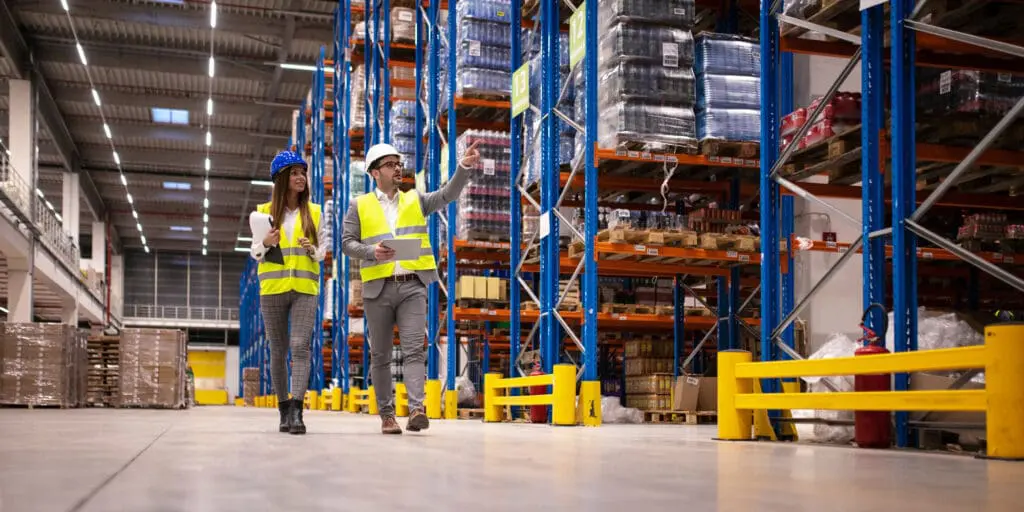
Warehouse Safety: DIN EN 15635 and other safety standards for racking

Green warehouse design:
Sustainability as the new standard in logistics
Semi-automated warehouse:
a powerful team of human and machine
Warehouse logistics in transition: tackling new challenges the smart way

Cold storage: what is it and why is it so important?

Mobile racking: versatile storage solutions

LIFO or FIFO: which inventory principle suits which purpose?
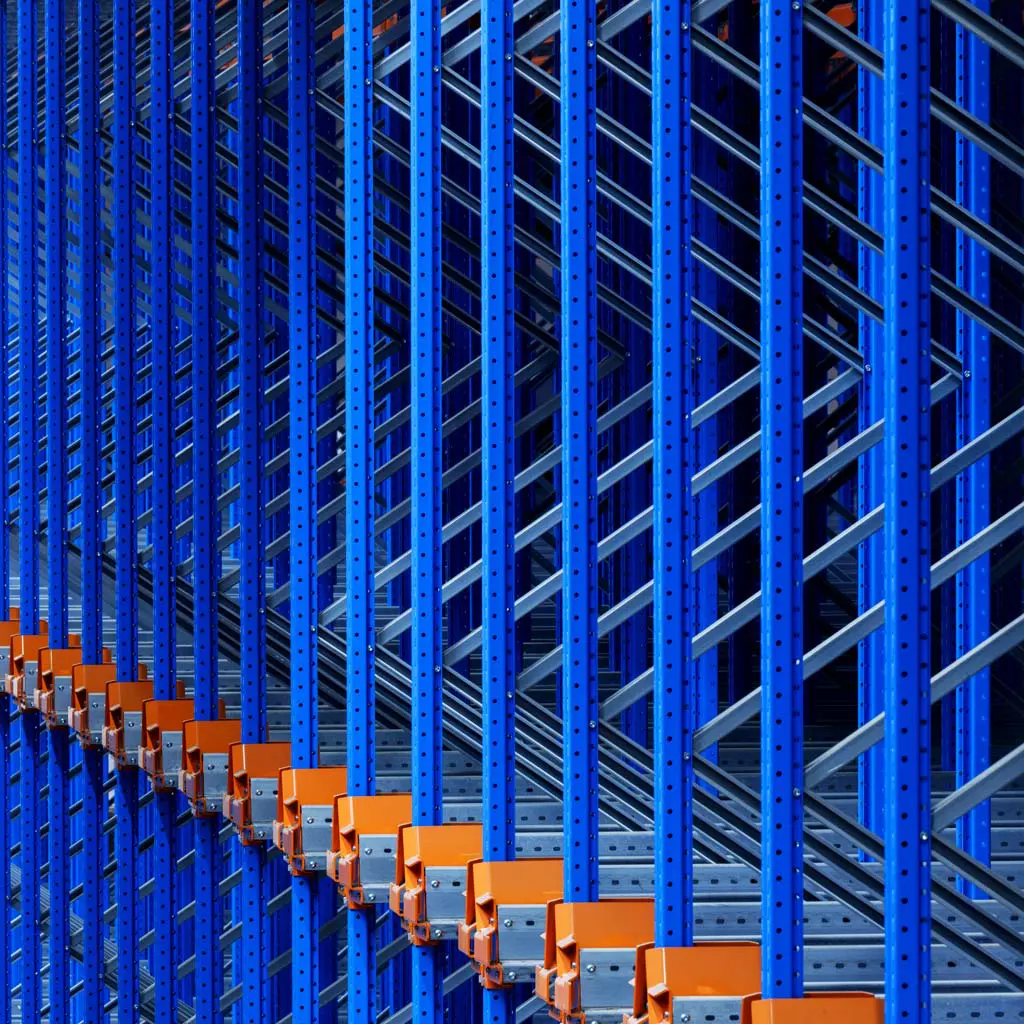
The most common types of pallet racking systems
How stow drives digital excellence in silo racking systems
Blog
read more